
Persistent Pain: Assessment and Care Options
Updated: Sep 10
Severe chronic pain affects millions of people worldwide, disrupting daily life and limiting activities. Managing this type of pain requires a comprehensive approach that goes beyond simple medication. Understanding effective strategies can help those suffering find relief and improve their quality of life.

Understanding Severe Chronic Pain
Chronic pain lasts longer than three months and often persists despite treatment. It can stem from various causes such as arthritis, nerve damage, or injury. Severe chronic pain is more than just discomfort; it can lead to emotional distress, sleep problems, and reduced mobility.
Pain signals in the nervous system can become amplified, making the sensation worse than the original injury or condition. This phenomenon, called central sensitization, means that treating chronic pain requires addressing both physical and neurological factors.
Medical Treatments for Severe Chronic Pain
Medical management often forms an important part of care for individuals living with severe or persistent chronic pain. These approaches are typically delivered within primary or specialist care and may be used alongside other supportive treatment strategies as part of an integrated plan.
Medications
Prescribed medications may include non-steroidal anti-inflammatory drugs (NSAIDs), neuropathic pain agents such as anticonvulsants, or other analgesics, depending on the underlying pain mechanism. Each medication acts on different pain pathways and is selected based on clinical assessment, overall health, and potential risks. Medications are prescribed and reviewed by medical practitioners, with careful consideration given to side effects, long-term use, and individual response.
Interventional Procedures
In some cases, specialist interventions such as nerve blocks, epidural steroid injections, or neuromodulation techniques may be considered. These procedures aim to reduce pain signalling within the nervous system and are typically offered through specialist pain services following thorough assessment.
Physical Therapy
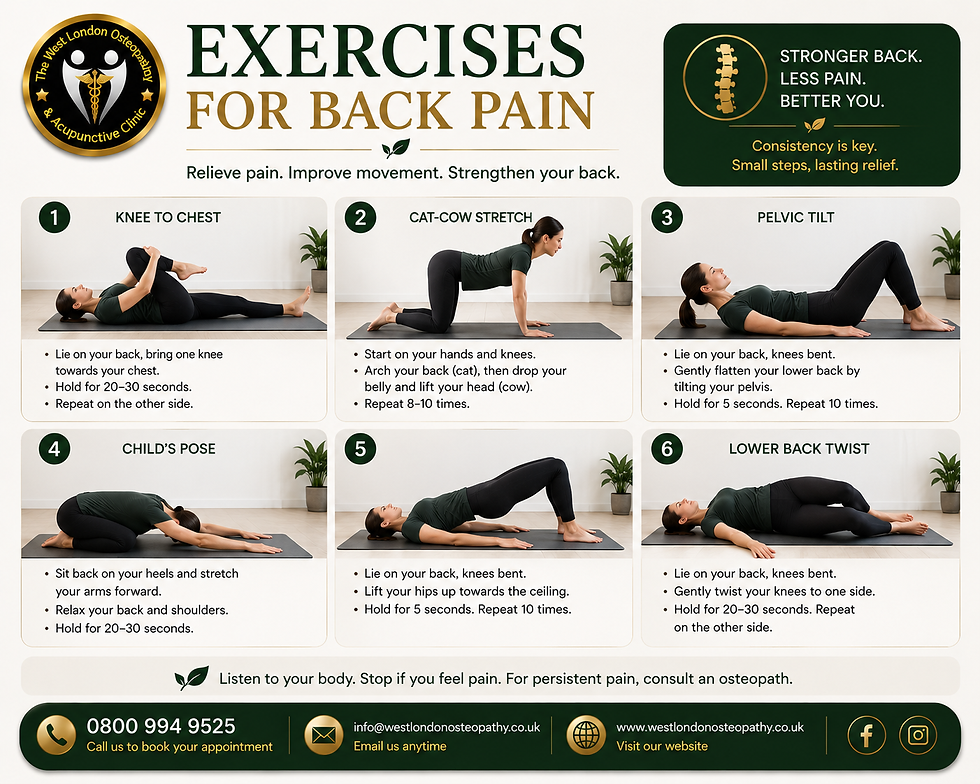
Physiotherapy plays a key role in many chronic pain management plans. Individualised exercise programmes are designed to improve strength, flexibility, and movement control, helping to reduce pain related to muscle tension, joint loading, and altered biomechanics. Education on pacing, movement confidence, and activity modification is also an important component of care.
Lifestyle Changes That Support Pain Management
Adjusting daily habits can significantly influence pain levels and overall well-being.
Regular Exercise
Low-impact activities such as swimming, walking, or yoga can release endorphins, the body’s natural painkillers. Exercise also improves circulation and reduces inflammation.
Healthy Diet
Eating anti-inflammatory foods like fruits, vegetables, and omega-3 fatty acids supports the body’s healing processes. Avoiding processed foods and excess sugar can prevent inflammation that worsens pain.
Sleep Hygiene
Poor sleep worsens pain sensitivity. Establishing a consistent sleep schedule, creating a relaxing bedtime routine, and limiting screen time before bed help improve sleep quality.
Psychological Approaches to Pain Relief
Chronic pain often affects mental health, and psychological strategies can provide relief.
Cognitive Behavioral Therapy (CBT)
CBT helps patients change negative thought patterns about pain and develop coping skills. Studies show CBT can reduce pain intensity and improve mood.
Mindfulness and Meditation
Mindfulness teaches awareness of the present moment without judgment. This practice can reduce stress and the emotional impact of pain.
Support Groups
Sharing experiences with others facing similar challenges provides emotional support and practical advice.
Osteopathy, Acupuncture, and Anti-Inflammatory Support
Many individuals find benefit from non-surgical, conservative approaches, often used alongside conventional medical care, to help manage pain and inflammation.
Acupuncture
A regulated therapeutic approach involving the insertion of fine needles at specific points, used to support pain modulation, nervous system regulation, and relaxation.
Osteopathic Care
Hands-on techniques aimed at improving joint mobility, reducing mechanical strain, and supporting musculoskeletal function in individuals with movement-related pain.
Heat and Cold Therapy
Heat may be used to relax muscles and encourage circulation, while cold therapy can help reduce inflammation and ease acute discomfort.
Anti-Inflammatory Nutritional and Supplement Support
Where appropriate, general advice may be provided on nutritional strategies and evidence-informed supplements that support overall health and help manage factors associated with inflammation as part of a wider care plan.
Patient Experiences with Chronic Pain Management
Patients living with chronic pain often describe the importance of feeling listened to, supported, and involved in their care. Many report that a personalised, integrative approach helps them better manage symptoms and regain confidence in daily life.
“After years of ongoing back pain, I felt I had tried everything. The treatment plan was clearly explained and tailored to my needs. Over time, I noticed improved movement and felt more in control of my pain.”
“What stood out was the holistic approach. The focus wasn’t just on pain, but on understanding how stress, posture, and daily habits were contributing. I felt supported throughout the process.”
“Living with chronic pain can be exhausting. Having a structured plan and regular reviews helped me manage flare-ups and improve my quality of life.”
Individual experiences vary, but many patients value a care model that combines clinical expertise with personalised attention and ongoing support.
Creating a Personalised Pain Management Plan
No single treatment works for everyone. Effective chronic pain management often involves combining several strategies, tailored to the individual’s condition, lifestyle, and goals. Patients are encouraged to work closely with their healthcare providers to:
Identify pain triggers and recurring patterns
Set realistic goals for pain management and daily function
Monitor progress and adjust treatments as needed
Involve family members or caregivers where appropriate for additional support
Regular review and open communication are key to adapting the plan as symptoms and circumstances change.
When to Seek Specialised Care
At West London Osteopathy Clinic, Dr Nillie Teymouri and Tina Hirst work with patients experiencing a wide range of acute and chronic pain conditions. While many individuals respond well to conservative, integrative treatment approaches, there are circumstances where additional specialist input may be appropriate.
If pain persists despite initial treatment, worsens over time, or has a significant impact on daily function and quality of life, referral to a pain specialist or a multidisciplinary pain clinic may be recommended.
Integrated care is central to the clinic’s approach to managing complex and persistent pain. Treatment may involve medical input where required, alongside osteopathy and acupuncture, with consideration of psychological support when appropriate. This coordinated model provides further options for individuals with long-standing or multifactorial pain presentations.
Where specialist referral is indicated, care can continue alongside external services to ensure a joined-up, supportive approach that prioritises continuity, clear communication, and patient wellbeing.
Final Thoughts on Managing Severe Chronic Pain
Severe chronic pain often requires a thoughtful, multi-faceted approach rather than reliance on a single treatment method. Bringing together medical care, lifestyle adjustments, psychological support, and regulated clinical approaches such as osteopathy, naturopathy, and acupuncture may help individuals better manage symptoms and improve day-to-day functioning.
At West London Osteopathy Clinic, care is centred on open communication, regular review, and personalised treatment planning. Patients are encouraged to remain proactive, informed, and engaged in their care, exploring appropriate options that align with their individual needs and long-term wellbeing.


Comments